Reviews
Telescope Reviews
Every review here is the manufacturer's own published specification sheet, compiled with each source named, plus the optical limits computed from it. We have not looked through any of these telescopes and we say so on every page.
By Scooter M. · Published · How we pick

A review on this site is not an impression of a view. It is a compiled specification sheet with every figure traced to the document it came from, plus the optical limits computed from those figures using the formulas we publish.
That is a deliberately narrower thing than most review sites offer, and it is narrower because it is what we can actually support. We have not looked through any of these telescopes, we do not own any of them, and we would rather say so than write about a view we have not had.
What every review here contains
- The published spec sheet, with a link to the manufacturer document each figure was read from.
- The computed optical limits: maximum useful magnification at two times the aperture, and the Dawes resolving limit at 116 divided by the aperture.
- The box-claim rebuttal, where the maker publishes its own magnification ceiling, set beside ours with the difference explained.
- A worked magnification example using the telescope's published focal length, where one is published.
- An explicit skip-this-if, naming the buyer this telescope is wrong for.
- A live price, or "Check price" when the price layer has nothing fresh. Never a remembered number.
The reviews

Celestron StarSense Explorer DX 130AZ
130mm parabolic mirror plus phone-based plate solving. The specs compiled and the 307x claim checked against the arithmetic.
Top pick: Celestron StarSense Explorer DX 130AZ
#ad · how this is funded · price as of October 19, 2026

Sky-Watcher Heritage 130 Tabletop Dobsonian
The aperture-per-dollar champion: 130mm parabolic in a collapsible tube, with one condition to check first.
Top pick: Sky-Watcher Heritage 130 Tabletop Dobsonian
$305.00 · 12% off
#ad · how this is funded · price as of October 19, 2026

Sky-Watcher Classic 200P Dobsonian (8-inch)
Eight inches of aperture, 0.58 arcseconds of resolution, and the honest cost: it is a two-trip telescope.
Top pick: Sky-Watcher Classic 200P Dobsonian (8-inch)
Currently unavailable at Amazon
Checked October 19, 2026. We are not linking to it while there is nothing to buy.

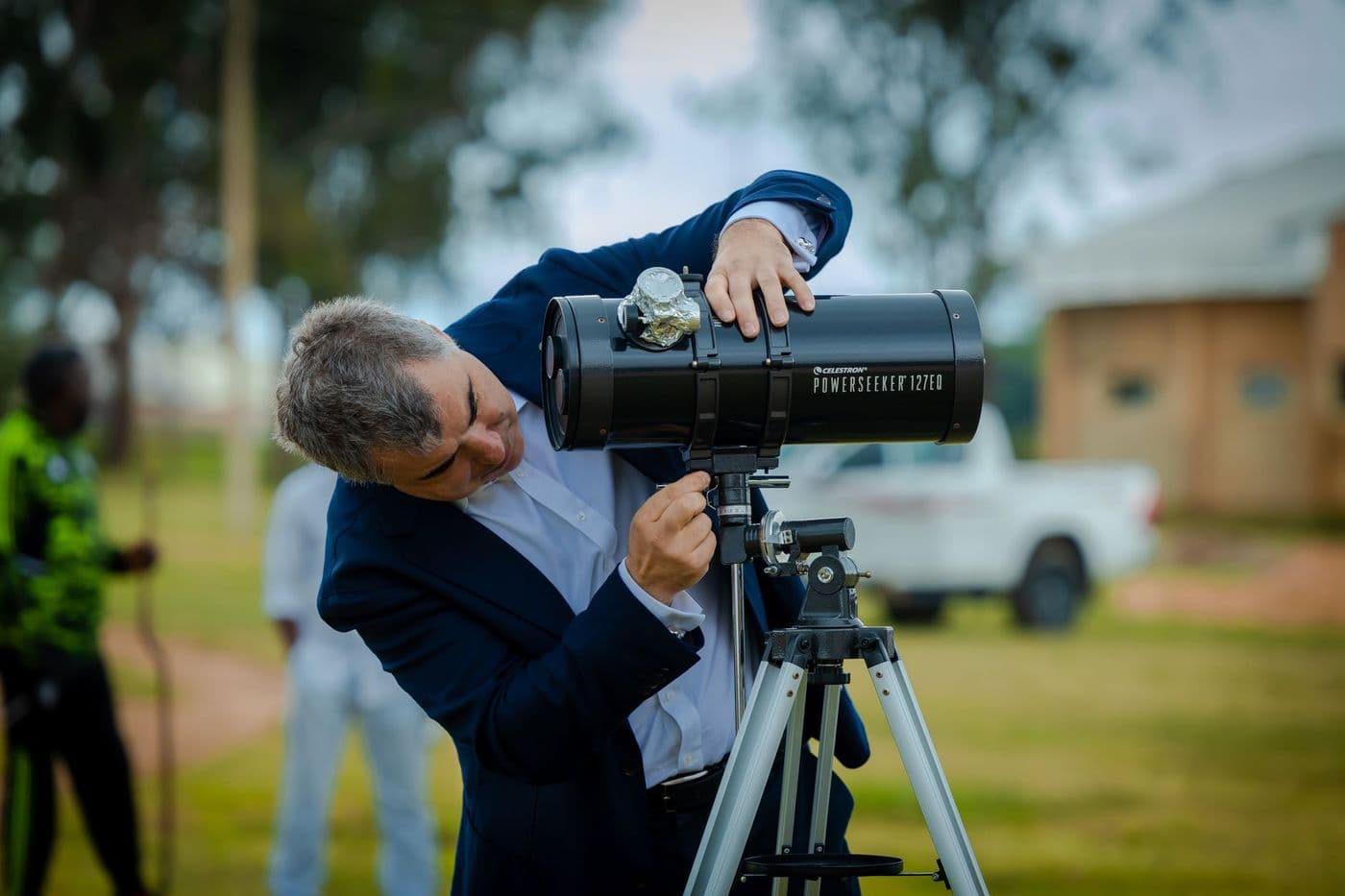
Celestron PowerSeeker 127EQ
A best-seller worth understanding before you buy: a spherical mirror in a compressed path, on a mount beginners find baffling.
Top pick: Celestron PowerSeeker 127EQ
$229.95 · 13% off
#ad · how this is funded · price as of October 19, 2026
Celestron AstroMaster 70AZ
70mm at f/13 on a steel tripod: cleaner planetary views than a fast 70mm, paid for with a narrow field and a heavy package.
Top pick: Celestron AstroMaster 70AZ
$199.95 · 10% off
#ad · how this is funded · price as of October 19, 2026
Celestron NexStar 6SE
150mm Schmidt-Cassegrain with GoTo in a genuinely portable tube. What it does well and what it costs in light.
Top pick: Celestron NexStar 6SE
#ad · how this is funded · price as of October 19, 2026

Sky-Watcher Classic 150P Dobsonian (6-inch)
Six inches of parabolic mirror, floor-standing, and it fits across a back seat. The compromise that gets used.
Top pick: Sky-Watcher Classic 150P Dobsonian (6-inch)
$515.00 · 13% off
#ad · how this is funded · price as of October 19, 2026

Celestron StarSense Explorer 130mm Tabletop Dobsonian
130mm parabolic optics on a tabletop Dobsonian base with the StarSense phone dock. No tripod to shake, no star-hopping to learn.
Top pick: Celestron StarSense Explorer 130mm Tabletop Dobsonian
$479.95 · 10% off
#ad · how this is funded · price as of October 19, 2026

Sky-Watcher Virtuoso GTi 130P
130mm of aperture with Wi-Fi GoTo built into a tabletop base, and a manual override that survives being grabbed.
Top pick: Sky-Watcher Virtuoso GTi 130P
$495.00 · 13% off
#ad · how this is funded · price as of October 19, 2026
Celestron StarSense Explorer LT 114AZ
The StarSense phone finder at the low end of the range, bought with a spherical mirror that f/9 largely forgives.
Top pick: Celestron StarSense Explorer LT 114AZ
$259.95 · 8% off
#ad · how this is funded · price as of October 19, 2026

Celestron Travel Scope 70
3.3 lb complete, backpack included. A daytime spotting scope that moonlights at night, with a tripod that is the weak link.
Top pick: Celestron Travel Scope 70
$119.95 · 25% off
#ad · how this is funded · price as of October 19, 2026
Celestron AstroMaster 130EQ
130mm of aperture at f/5 with a spherical primary and an equatorial mount. The compromises are published; this page works out what they cost.
Top pick: Celestron AstroMaster 130EQ
$359.95 · 19% off
#ad · how this is funded · price as of October 19, 2026

Sky-Watcher Heritage 150 Tabletop Dobsonian
150mm parabolic at f/5 in a collapsible tube on a tabletop base. Deep-sky aperture with one furniture condition attached.
Top pick: Sky-Watcher Heritage 150 Tabletop Dobsonian
$355.00 · 13% off
#ad · how this is funded · price as of October 19, 2026
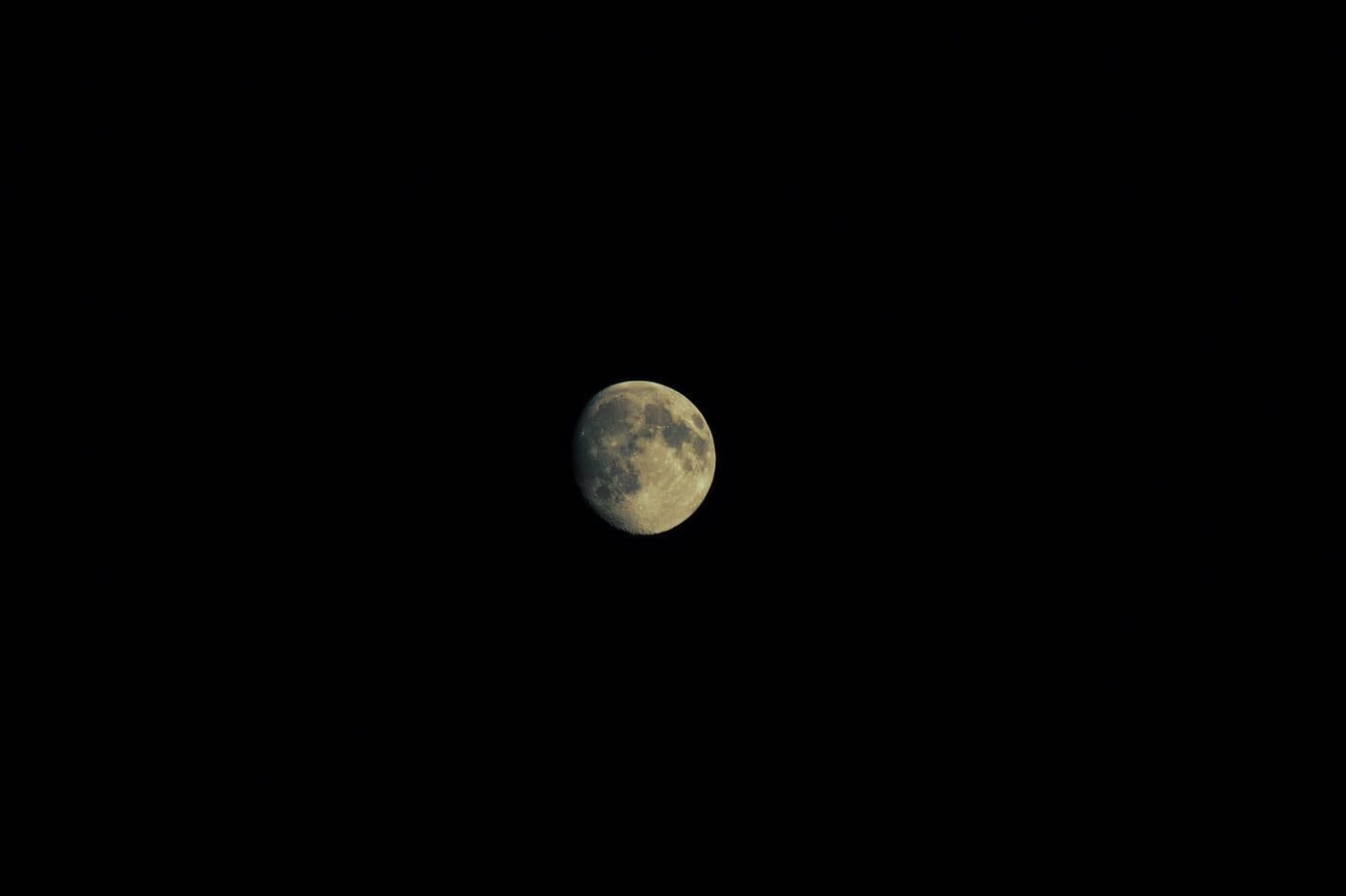
Celestron AstroMaster 102AZ
102mm of refractor at f/6.5 on a simple mount. Wide fields and zero maintenance, paid for in false color on bright targets.
Top pick: Celestron AstroMaster 102AZ
$359.95 · 11% off
#ad · how this is funded · price as of October 19, 2026

Celestron FirstScope 76
76mm on a tabletop base: a real telescope at the bottom of the market, with a spherical mirror at a very fast focal ratio.
Top pick: Celestron FirstScope 76
#ad · how this is funded · price as of October 19, 2026

National Geographic Sky View 70mm Refractor
70mm at f/5.7 on a panhandle mount. Advertised magnifications that check out, in a package built to be given as a gift.
Top pick: National Geographic Sky View 70mm Refractor
#ad · how this is funded · price as of October 19, 2026
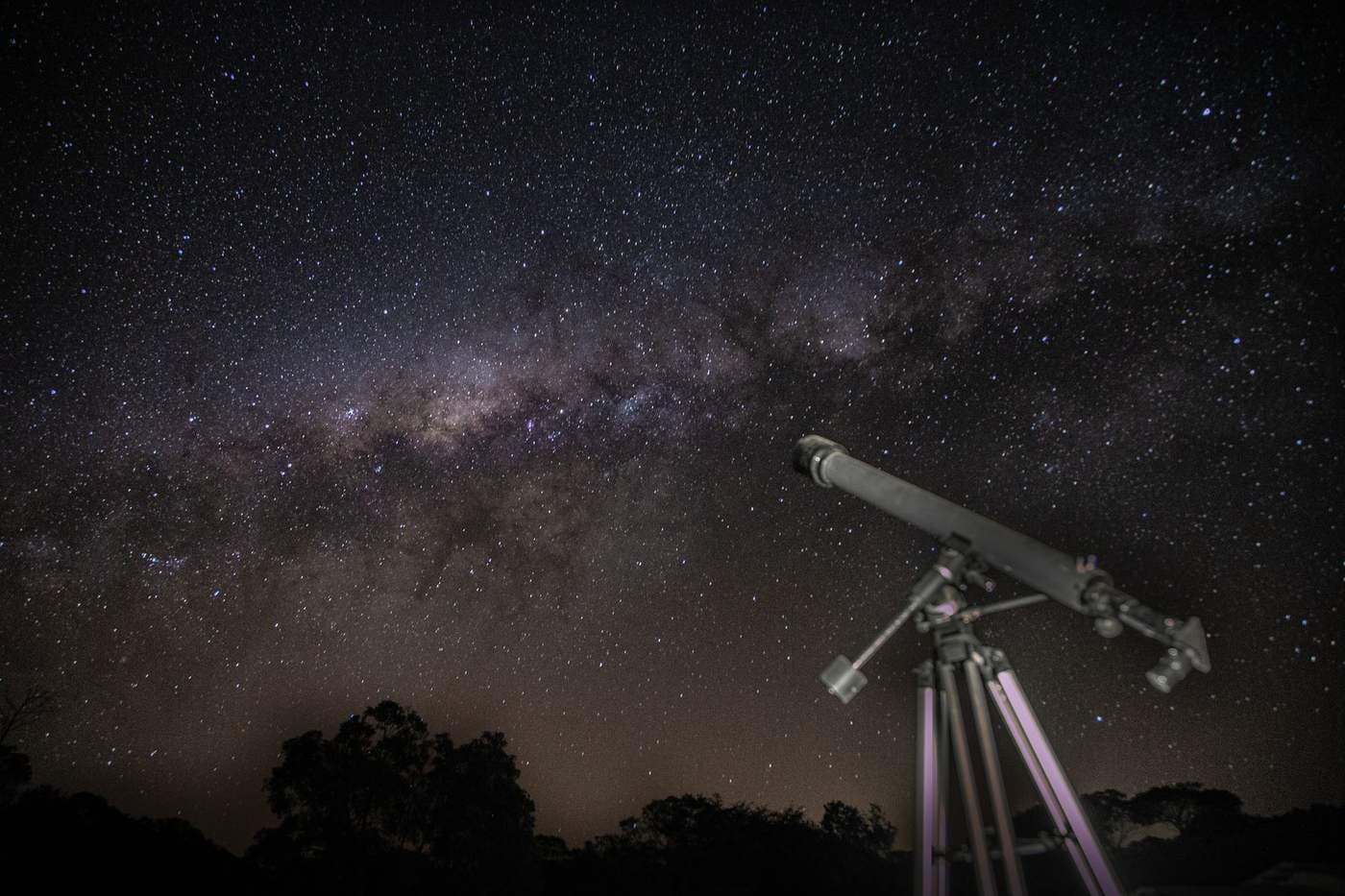
Celestron NexStar 130SLT
130mm parabolic optics on a computerized fork mount. Tracking and a 40,000-object database, paid for in aperture and in an alignment routine.
Top pick: Celestron NexStar 130SLT
#ad · how this is funded · price as of October 19, 2026

Celestron StarSense Explorer 8" Dobsonian
203mm on a Dobsonian base, with phone plate solving to find targets. The largest aperture on this site that a beginner can genuinely aim.
Top pick: Celestron StarSense Explorer 8-inch Dobsonian
#ad · how this is funded · price as of October 19, 2026

Celestron NexStar 8SE
203.2mm of Schmidt-Cassegrain at f/10 with full GoTo. Resolves the Cassini division, tracks all night, and shows the narrowest field here.
Top pick: Celestron NexStar 8SE
#ad · how this is funded · price as of October 19, 2026

Celestron StarSense Explorer 10" Dobsonian
254mm on a Dobsonian base with phone plate solving. The finest resolving limit and the most light here, at 54.8 lb in two pieces.
Top pick: Celestron StarSense Explorer 10" Dobsonian
#ad · how this is funded · price as of October 19, 2026

Celestron NexStar 102SLT
102mm refractor at f/6.47 on a computerized fork. 15.5 lb complete, nothing to collimate, and the widest field of any GoTo telescope here.
Top pick: Celestron NexStar 102SLT
#ad · how this is funded · price as of October 19, 2026

Celestron Cometron 7x50
7x50 Porro binoculars with a 7.1mm exit pupil and a 6.6-degree field. The steadiest handheld view here, and the least expensive.
Top pick: Celestron Cometron 7x50 Binoculars
$47.95 · 17% off
#ad · how this is funded · price as of October 19, 2026

Celestron UpClose G2 10x50
10x50 Porro binoculars with a 5mm exit pupil and an unusually wide 6.8-degree field. The all-rounder, at the handheld limit.
Top pick: Celestron UpClose G2 10x50 Binoculars
#ad · how this is funded · price as of October 19, 2026
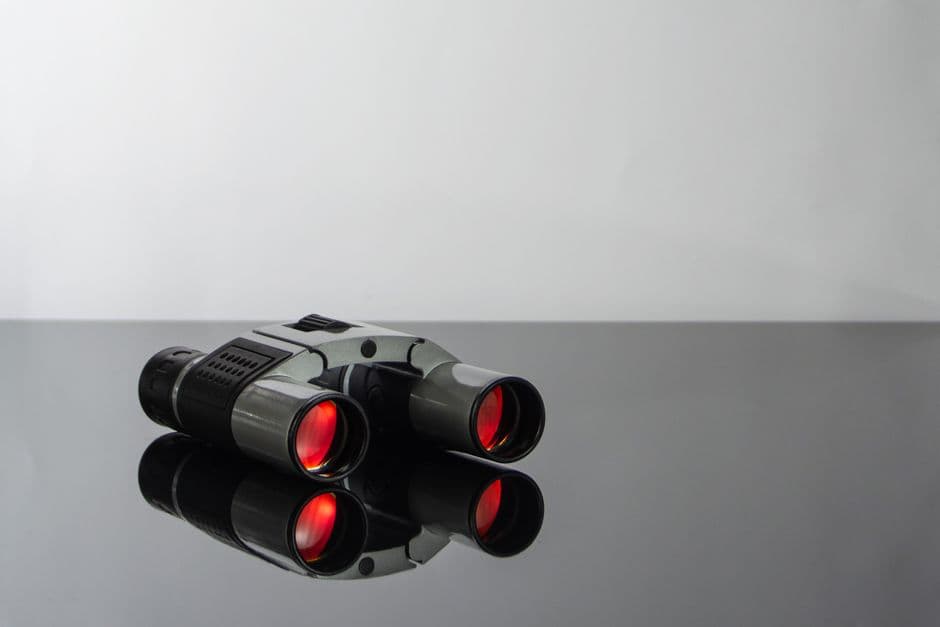
Celestron SkyMaster 20x80
20x80 Porro binoculars with a published 12.02 limiting magnitude and BaK-4 prisms. More light than any other pair here, at 75 oz.
Top pick: Celestron SkyMaster 20x80 Binoculars
$209.95 · 14% off
#ad · how this is funded · price as of October 19, 2026

Celestron SkyMaster 25x70
25x70 Porro binoculars with BaK-4 prisms and a 2.8mm exit pupil. The most magnification here, tripod required, and dimmer than the 20x80.
Top pick: Celestron SkyMaster 25x70 Binoculars
$139.95 · 14% off
#ad · how this is funded · price as of October 19, 2026

Celestron Ultima 20-60x80
80mm angled spotting scope with a 20-60x zoom eyepiece and BaK-4 prisms. Terrestrial first, astronomy a genuine second.
Top pick: Celestron Ultima 20-60x80 Angled Spotting Scope
Currently unavailable at Amazon
Checked October 19, 2026. We are not linking to it while there is nothing to buy.

Celestron TrailSeeker 16-48x65
65mm angled spotting scope, 16-48x zoom, with phase-coated BaK-4 prisms and XLT coatings. Nine ounces lighter than the 80mm.
Top pick: Celestron TrailSeeker 16-48x65 Spotting Scope
$299.95 · 15% off
#ad · how this is funded · price as of October 19, 2026
Celestron NexYZ 3-Axis Phone Adapter
Three-axis smartphone bracket for telescopes, binoculars and spotting scopes. Solves eyepiece alignment, which is the actual difficulty.
Top pick: Celestron NexYZ 3-Axis Smartphone Adapter
$66.95 · 7% off
#ad · how this is funded · price as of October 19, 2026

Celestron Eyepiece, Barlow and Filter Kit
Five Plossl eyepieces from 32mm to 6mm, a 2x Barlow and seven filters. Good value on a mid-size telescope, poor on a small one.
Top pick: Celestron Eyepiece, Barlow and Filter Kit (1.25")
$239.95 · 8% off
#ad · how this is funded · price as of October 19, 2026
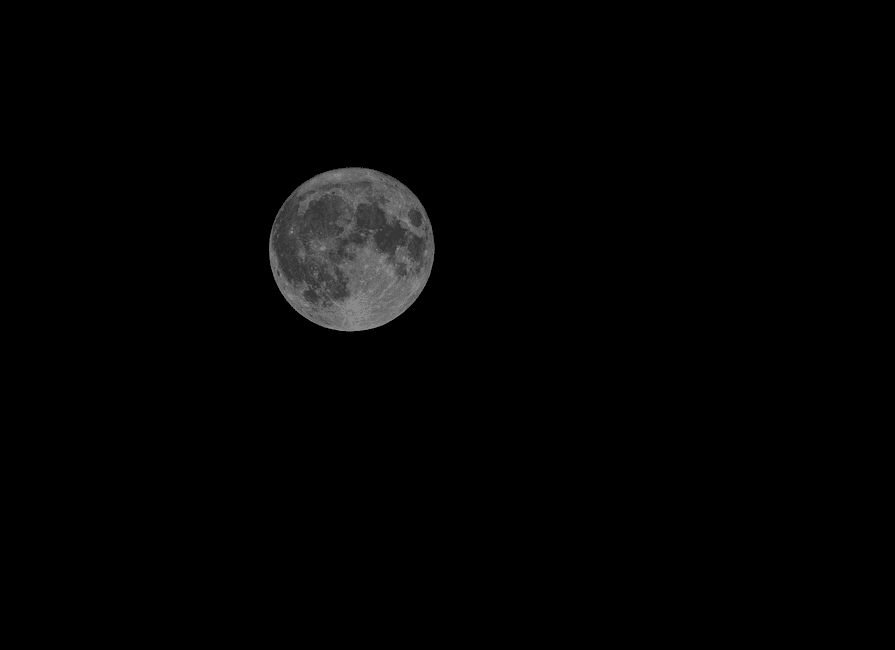
Celestron Moon Filter
Neutral-density filter that threads into a 1.25-inch eyepiece. Genuinely useful above about 100mm of aperture, unnecessary below it.
Top pick: Celestron Moon Filter (1.25")
$12.95 · 12% off
#ad · how this is funded · price as of October 19, 2026
And the instrument that is not a telescope

Celestron SkyMaster 15x70 Binoculars
70mm objectives at 15x, both eyes, with published limiting magnitudes for three sky qualities. The honest first instrument.
Top pick: Celestron SkyMaster 15x70 Binoculars
$129.95 · 32% off
#ad · how this is funded · price as of October 19, 2026
Why there are no star ratings here
A star rating implies a measurement, and we have not measured anything. Publishing one would contradict the sentence directly above it on every page, and it would put a number in structured data that no reader could check.
What replaces it is the arithmetic. Every figure on a review page is either published by the manufacturer, with a link, or computed from one of those published figures by a formula we state. There is no third category. The methodology page sets out the whole rule.
How these connect to the buying pages
Each review links back to its telescope type, to the budget bracket it belongs in, and to the roundups it appears in. If you are still choosing rather than checking a specific model, the beginner ranking is the better starting point.
No products on this page. This is the library index. Each review below carries its own telescope with the live price and the buy link, so putting a ranked pick list here would duplicate the roundups rather than add anything.
Questions people actually ask
Have you tested these telescopes?
No. We have not looked through any telescope on this site, we do not own any of them, and we say so on every page. What we publish instead is the manufacturer's own specification sheet with its sources named, plus the optical limits computed from it.
Why do the reviews have no star ratings?
Because a rating implies a measurement we have not made. Every number on this site is either published by the maker, with a link, or computed from a published figure by a formula we state. A score would be neither.
Where do the specifications come from?
From the manufacturer's own product pages, retrieved on 1 September 2026 and linked on every spec row. Where a maker publishes a figure only on its retail listing, the source label says so rather than presenting a listing as a spec sheet.
Why are some spec rows blank?
Because we only publish figures we retrieved from a source we can name. A blank row means the maker does not publish that figure where we could read it, and we would rather show the gap than fill it with an estimate.
Read next
Celestron StarSense Explorer DX 130AZ
130mm parabolic mirror plus phone-based plate solving. The specs compiled and the 307x claim checked against the arithmetic.
Top pick: Celestron StarSense Explorer DX 130AZ
#ad · how this is funded · price as of October 19, 2026
Sky-Watcher Classic 200P Dobsonian (8-inch)
Eight inches of aperture, 0.58 arcseconds of resolution, and the honest cost: it is a two-trip telescope.
Top pick: Sky-Watcher Classic 200P Dobsonian (8-inch)
Currently unavailable at Amazon
Checked October 19, 2026. We are not linking to it while there is nothing to buy.
Best overall
The Best Beginner Telescopes, Ranked by Aperture
The flagship ranking. Nine beginner telescopes ordered by aperture per dollar, with the magnification arithmetic shown for each one.
Top pick: Celestron StarSense Explorer DX 130AZ
#ad · how this is funded · price as of October 19, 2026
Found something wrong here? Tell us and we will correct it and date the correction, per our editorial policy.