Aperture, Magnification & First Light
Aperture, Magnification and First Light
Six ideas explain almost everything about buying and using a telescope, and none of them is difficult. This is the part of the site the recommendations are built on.
By Scooter M. · Published · How we pick
Six ideas cover almost everything a first-time telescope buyer needs, and every recommendation on this site is derived from them rather than asserted. If you only read one page here, read the magnification myth: it is the one that saves people money.
The six ideas, in one paragraph each
- Aperture is the only specification that matters. The diameter of the main lens or mirror sets both how much light the telescope collects and how fine a detail it can resolve. Everything else is convenience. Full explanation.
- Magnification is set by the eyepiece, and capped by the aperture. Any telescope can reach any magnification. What it cannot do is show detail it never collected. The ceiling is roughly two times the aperture in millimeters. Full explanation.
- Light gathering goes as the square of aperture. A 130mm telescope collects 2.9 times what a 76mm does, not 1.7 times. This is why each step up in aperture is worth more than it looks.
- Eyepieces are the variable you control. They set magnification, field width and how bright the image is. They are also the cheapest real upgrade available. Full explanation.
- The mount decides whether the telescope gets used. A shaking image at high power is unusable, and a mount nobody can operate ends the first evening. Full explanation.
- The atmosphere sets the ceiling on most nights. Turbulence limits detail to 2 or 3 arcseconds on an average night, which is worse than any beginner aperture can resolve. Patience is a technique, not a virtue.
The concepts
Telescope Aperture: What It Is and What It Buys
What aperture is, what each size can resolve, and a calculator that runs the numbers on your own telescope.
Top pick: Sky-Watcher Heritage 130 Tabletop Dobsonian
$305.00 · 12% off
#ad · how this is funded · price as of October 19, 2026
The Magnification Myth: Why 525x Means Nothing
Why the magnification number on the box is meaningless, what the real ceiling is, and a calculator for your own telescope.
Top pick: Celestron Eyepiece, Barlow and Filter Kit (1.25")
$239.95 · 8% off
#ad · how this is funded · price as of October 19, 2026
Best accessory upgrade
Telescope Eyepieces: Which Ones You Actually Need
Which eyepiece focal lengths suit your telescope, what exit pupil means, and the cheapest real upgrade available.
Top pick: Celestron Eyepiece, Barlow and Filter Kit (1.25")
$239.95 · 8% off
#ad · how this is funded · price as of October 19, 2026

How Far Can a Telescope See?
A 70mm telescope reaches 2.5 million light-years and cannot see Pluto. Why brightness, not distance, sets the limit.
Top pick: Sky-Watcher Heritage 150 Tabletop Dobsonian
$355.00 · 13% off
#ad · how this is funded · price as of October 19, 2026
Using the telescope
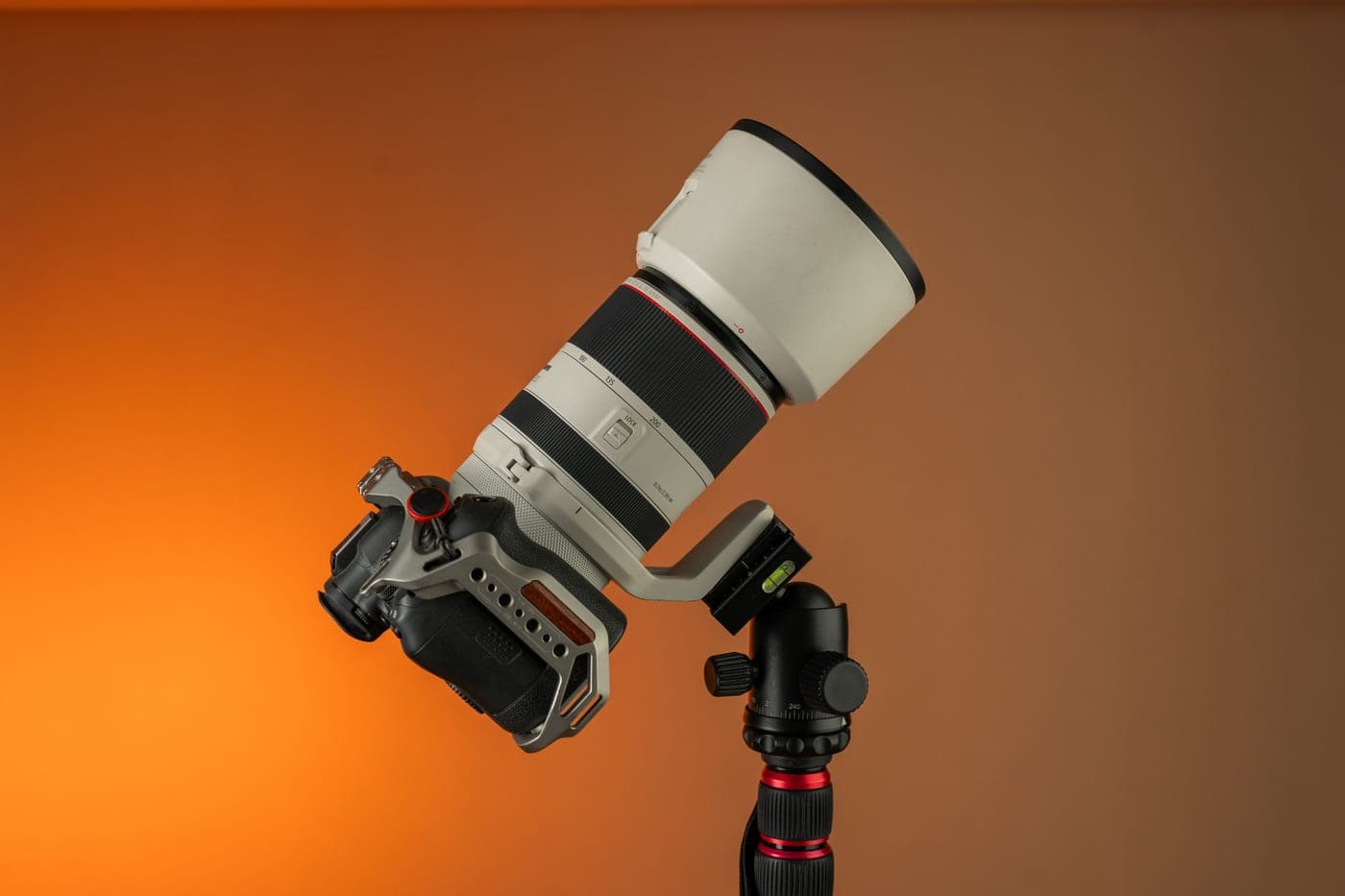
Telescope Mounts, and Why They Decide Everything
The four mount types compared, why the mount matters as much as the optics, and whether they are interchangeable.
Top pick: Celestron AstroMaster 102AZ
$359.95 · 11% off
#ad · how this is funded · price as of October 19, 2026
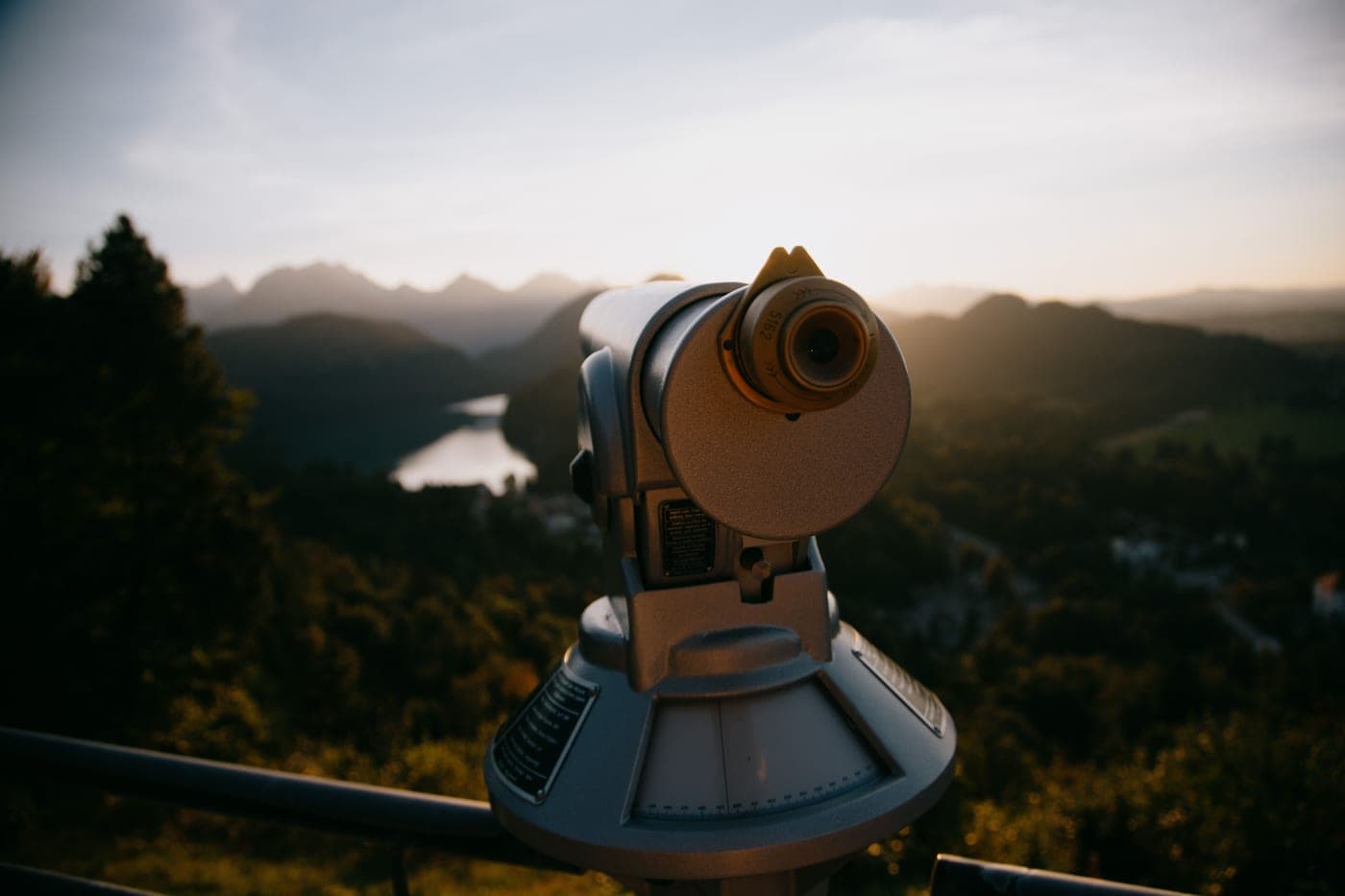
How to Use a Telescope: Your First Night, Step by Step
The first evening with a telescope, in the order things actually happen, with the daylight steps that decide it.
Top pick: Celestron Night Vision Red LED Flashlight
$20.95 · 19% off
#ad · how this is funded · price as of October 19, 2026

Telescope Troubleshooting: It Is Probably Not Broken
The four problems that make a new telescope seem broken, and why none of them usually is.
Accessories, and what they are actually for
Best Barlow
Barlow Lenses: When They Double Your Eyepieces and When They Waste Them
A Barlow doubles every eyepiece you own. The arithmetic that decides whether that helps your telescope or wastes it.
Top pick: Celestron X-Cel LX 2x Barlow Lens (1.25")
$124.95 · 20% off
#ad · how this is funded · price as of October 19, 2026
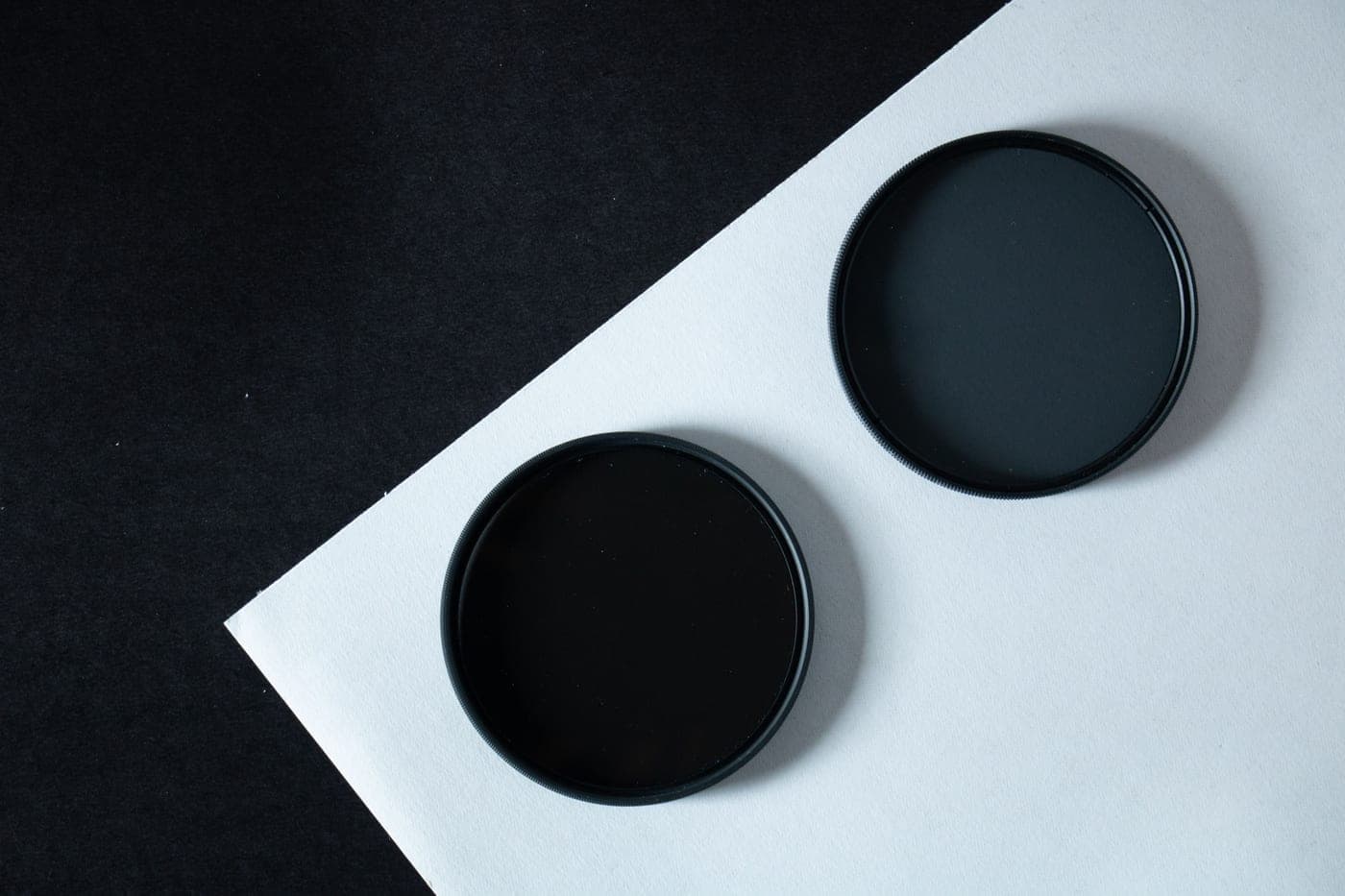
Best filter buy
Telescope Filters: Which Ones Earn Their Place
A moon filter is the one that changes a session. What the colored planetary filters do, and why most of them stay in the case.
Top pick: Celestron Moon Filter (1.25")
$12.95 · 12% off
#ad · how this is funded · price as of October 19, 2026
Using a Telescope in Daylight
Daytime use, the accessory that makes it work, and the one absolute safety rule that has no exceptions.
Top pick: Celestron Travel Scope 70
$119.95 · 25% off
#ad · how this is funded · price as of October 19, 2026
Buy this first
Telescope Accessories Worth Buying, In Order
Which telescope accessories change a session and which duplicate what came in the box, ranked by what they actually do.
Top pick: Celestron Moon Filter (1.25")
$12.95 · 12% off
#ad · how this is funded · price as of October 19, 2026

Safest fit
Telescope Solar Filters: What Is Safe and What Fits
Front-mounted solar filters explained: the ISO standard to look for, the measurement everyone gets wrong, and what never to buy.
Top pick: Celestron EclipSmart Solar Filter for 127mm and 130mm Reflectors
$31.95 · 28% off
#ad · how this is funded · price as of October 19, 2026
Best eyepiece
The Best Telescope Eyepieces
Eyepieces ranked on field, eye relief and what your telescope can actually use, with the magnification arithmetic worked for three common focal lengths.
Top pick: Celestron Omni 32mm Eyepiece (1.25")
$52.95 · 6% off
#ad · how this is funded · price as of October 19, 2026
Why the arithmetic is the whole point of this site
Every review site in this category says aperture matters more than magnification. Almost none of them computes anything, so the reader is asked to take it on trust.
This site takes the opposite approach, because it has to: we have not looked through any of these telescopes and we say so. What we can offer instead is arithmetic on published inputs, stated in full, so a reader can redo any number here themselves. That is the substance behind every ranking on the site, and the methodology page sets out the formulas and their sources.
No products on this page. This is the concept hub rather than a buying page. Its job is to make the arithmetic on the buying pages checkable, so the picks live there. Each guide below links to the products the concept applies to.
Questions people actually ask
What is the most important thing to understand about telescopes?
That aperture, the diameter of the main lens or mirror, sets both how much light the telescope collects and how fine a detail it can resolve. Magnification is set by which eyepiece you fit and is capped at roughly two times the aperture in millimeters.
Do I need to understand the math to use a telescope?
No, but two calculations save money before you buy. Double the aperture in millimeters to get the honest magnification ceiling, and divide the telescope's focal length by an eyepiece's focal length to get the magnification that eyepiece gives.
What does f/5 or f/10 mean?
The focal ratio, which is the focal length divided by the aperture. A lower number means a shorter tube and a wider field of view; a higher number means a longer tube, higher magnification from the same eyepiece, and more forgiveness of cheap eyepieces.
Why is my telescope's view upside down?
Because astronomical telescopes are built that way deliberately. Every extra mirror or prism used to flip the image costs light and sharpness, and in space there is no up. The full answer.
Read next
Telescope Aperture: What It Is and What It Buys
What aperture is, what each size can resolve, and a calculator that runs the numbers on your own telescope.
Top pick: Sky-Watcher Heritage 130 Tabletop Dobsonian
$305.00 · 12% off
#ad · how this is funded · price as of October 19, 2026
The Magnification Myth: Why 525x Means Nothing
Why the magnification number on the box is meaningless, what the real ceiling is, and a calculator for your own telescope.
Top pick: Celestron Eyepiece, Barlow and Filter Kit (1.25")
$239.95 · 8% off
#ad · how this is funded · price as of October 19, 2026
Best overall
The Best Beginner Telescopes, Ranked by Aperture
The flagship ranking. Nine beginner telescopes ordered by aperture per dollar, with the magnification arithmetic shown for each one.
Top pick: Celestron StarSense Explorer DX 130AZ
#ad · how this is funded · price as of October 19, 2026
Found something wrong here? Tell us and we will correct it and date the correction, per our editorial policy.