Aperture, Magnification & First Light
Using a Telescope in Daylight
Your telescope works perfectly well in daylight, it needs one accessory to be pleasant, and there is exactly one thing you must never point it at.
By Scooter M. · Published · How we pick
With that established, and it is not negotiable: an astronomical telescope is a perfectly good daytime instrument for everything that is not the Sun. It is also the best time to do the one setup job that decides whether your first night works.
The most useful daytime job: aligning the finderscope
This is the single highest-value thing you can do with a telescope in daylight, and almost nobody is told to do it. A finderscope and a main tube are separately mounted, and out of the box they rarely point at the same place.
true field of view = eyepiece apparent field / magnification
A 52-degree eyepiece at 26x sees about 2 degrees. At 108x it sees about 0.5 degrees.
Two degrees is four full-Moon widths. If your finder points half a degree off, an object centered in the finder is completely outside the eyepiece view at high power. The full first-night sequence.
- Pick a distant fixed object in daylight: a chimney, a pylon, a treeline a few hundred meters away. Never the Sun and never near it.
- Center it in the main telescope using your longest eyepiece.
- Look through the finder. It will usually be pointing somewhere else entirely.
- Adjust the finder's screws until the same object sits centered in it too.
- Check it at higher magnification before you finish.
Five minutes, in the warm, once. It removes the most common reason a first evening ends without finding anything.
The accessory that makes daytime use pleasant
An astronomical telescope shows an inverted image, or a mirrored one if a star diagonal is fitted. In the sky that costs nothing because there is no up. On a landscape it is disorienting, and on a bird it is useless.
An erecting prism or image-correcting diagonal fixes it, at the cost of a little light and sharpness from the extra glass surfaces. For daytime that trade is obviously worth making, and for astronomy it is not, which is why the site argues against one for night use.
What a telescope is genuinely good at in daylight
- Distant detail at high magnification. A 130mm telescope at 100x resolves far more on a distant hillside than any binocular.
- Testing the optics. A daylight star test on a distant object tells you quickly whether the telescope is working and roughly collimated.
- Learning the focuser and the mount without also fighting the dark and the cold.
- The Moon. A gibbous Moon in a blue afternoon sky is a genuinely lovely sight and it surprises people that it is possible.
What it is bad at
Everything involving a moving subject or a wide view. A long focal length gives a narrow field, an alt-azimuth mount is slow to swing, and an inverted image makes tracking a bird genuinely difficult. Heat shimmer over warm ground also degrades the image badly in the middle of the day, in exactly the way atmospheric turbulence does at night.
If daytime viewing is a real part of what you want, a spotting scope is the instrument built for it: upright image, weather-sealed, and designed around a zoom eyepiece. Telescope against spotting scope sets out the whole trade.
How this is funded: the buy buttons below are Amazon Associates links, and a qualifying purchase earns us a commission at no extra cost to you. It cannot move the ranking, because the order here is set by aperture per dollar, and no commission rate changes how much light a mirror collects. Full disclosure.
| # | Telescope | Best for | Aperture | Price |
|---|---|---|---|---|
| 1 | 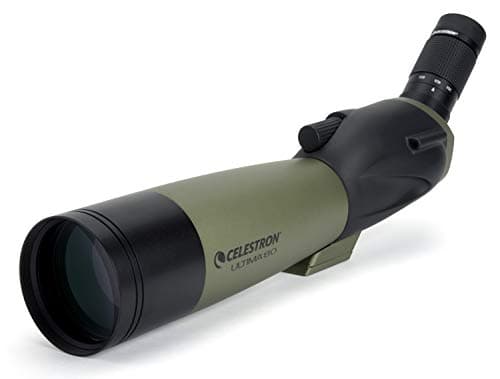 Celestron Ultima 20-60x80 Angled Spotting ScopeTop pick80mm of aperture with a built-in 20-60x zoom and an upright image. More objective than most beginner telescopes, and a magnification ceiling set by its eyepiece rather than its optics. | Daytime first, sky second | 80mm objective (3.15 in)160x useful | Unavailable |
| 2 | 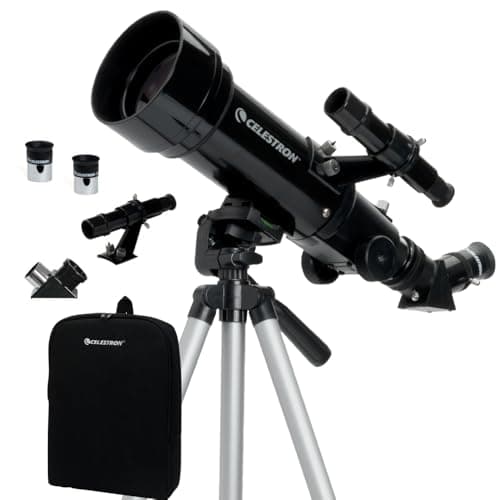 Celestron Travel Scope 7070mm at f/5.7 with a backpack. A daytime spotting scope that moonlights at night, rather than the other way round. | Packing light | 70mm (2.8 in)140x useful | |
| 3 | 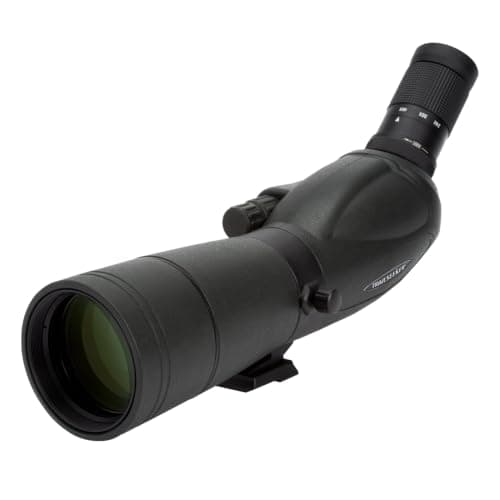 Celestron TrailSeeker 16-48x65 Spotting Scope65mm and 48 oz, with phase-coated prisms and Celestron's XLT coatings. The one you actually walk with, at a real cost in aperture. | Carrying it all day | 65mm objective (2.56 in)130x useful |
Top pick · Daytime first, sky second
Celestron Ultima 20-60x80 Angled Spotting Scope
80mm of aperture with a built-in 20-60x zoom and an upright image. More objective than most beginner telescopes, and a magnification ceiling set by its eyepiece rather than its optics.
What the aperture allows
- Maximum useful magnification
- 160x
- 2 × 80mm of aperture
- Resolving limit (Dawes)
- 1.45 arcseconds
- 116 ÷ 80mm
- Cassini division (0.7″)
- Out of reach
- this aperture cannot resolve it
Worked example: a 25mm eyepiece in this telescope gives 480mm ÷ 25mm = 19x.
80mm is more aperture than most beginner telescopes carry, and it is the number that decides what this instrument can resolve: 116 divided by 80 gives a 1.45-arcsecond limit, which is finer than the 70mm refractors on this site manage.
Then the zoom caps it. Two times 80mm of aperture would support 160x, and the built-in eyepiece stops at 60x. That is the exact inverse of the problem this site was built to explain: a telescope box advertises magnification its optics cannot deliver, while a spotting scope quietly delivers less magnification than its optics could support. The 60x ceiling is a design decision about daylight use, not an optical limit.
For the sky that ceiling matters most on the planets. Saturn's ring separation becomes obvious at around 70x, so at this scope's maximum of 60x you are just short of the view that makes people remember the night. You will see an oval that is clearly not a star, and on a steady night the rings will separate at the edge of perception.
Celestron's published limiting stellar magnitude of 12.02 under ideal skies is the honest figure for deep sky: real, and about a magnitude short of what a 130mm telescope reaches. The upright, correctly-oriented image is the trade you are buying it for, and it costs light at every extra glass surface.
What it does well
- 80mm of objective, more than most beginner telescopes at a comparable price
- Upright, right-way-round image that works for landscapes, wildlife and boats
- Sealed and weather-resistant in a way an open-tube reflector is not
- Zoom eyepiece with an integrated T-adapter, so no eyepiece shopping to do
- Celestron publishes a limiting stellar magnitude for it, which most spotting-scope makers do not
What it costs you
- 60x ceiling from the fixed zoom, against the 160x its 80mm aperture could support
- The zoom eyepiece does not come out, so no wide-field low-power eyepiece for deep sky
- No tripod supplied, and it needs a sturdier one than its weight suggests
- Angled body is right for the sky and awkward for tracking a moving animal
- The erecting prisms that make the image upright cost light and a little sharpness
Skip this one if: Skip it if the sky is the whole reason you are buying. At this price a 130mm tabletop Dobsonian collects 2.6 times the light and takes eyepieces that reach genuinely useful magnifications.
Currently unavailable at Amazon
Checked October 20, 2026. We are not linking to it while there is nothing to buy.
Pick 2 · Packing light
Celestron Travel Scope 70
70mm at f/5.7 with a backpack. A daytime spotting scope that moonlights at night, rather than the other way round.
What the aperture allows
- Maximum useful magnification
- 140x
- 2 × 70mm of aperture
- Resolving limit (Dawes)
- 1.66 arcseconds
- 116 ÷ 70mm
- Cassini division (0.7″)
- Out of reach
- this aperture cannot resolve it
Celestron publishes 168x as this telescope’s highest useful magnification. Our figure is 140x, from two times the aperture in millimeters. The gap of 28x comes from the slightly more generous per-inch constant makers use. Neither number describes a typical night: the atmosphere usually settles the question well below both.
Worked example: a 25mm eyepiece in this telescope gives 400mm ÷ 25mm = 16x.
3.3 pounds for the whole kit including the tripod is the entire pitch. Nothing else here goes in hand luggage.
The optics are the same 70mm as the AstroMaster LT but at f/5.7 rather than f/10, so the tube is much shorter and the widest field is much wider. That is good for landscapes and star fields and less good for the planets, where the shorter focal length shows more false color.
Two times 70mm gives 140x of useful magnification and Celestron publishes 168x. The published Dawes limit of 1.66 arcseconds means no Cassini division and no tight doubles.
The tripod is the weak link and everybody who owns one says so. It is a photo tripod carrying a telescope, and above about 60x it shakes. If you already own a decent tripod, use that instead.
What it does well
- Genuinely packable: 3.3 lb with the tripod, in a supplied backpack
- Doubles as a daytime spotting scope, which is where a lot of its use will come from
- A wide field at f/5.7 makes finding things easy
What it costs you
- The included tripod is not steady enough above modest magnification
- A short-focus achromat shows visible color fringing on the Moon and Jupiter
- 70mm is the aperture floor, and this one is optimized for portability over performance
Skip this one if: Skip it if it never actually leaves the house. At home, the same money buys a tabletop Dobsonian with twice the aperture and a mount that does not shake.
$119.95 · 25% off
#ad · how this is funded · price as of October 20, 2026
Pick 3 · Carrying it all day
Celestron TrailSeeker 16-48x65 Spotting Scope
65mm and 48 oz, with phase-coated prisms and Celestron's XLT coatings. The one you actually walk with, at a real cost in aperture.
What the aperture allows
- Maximum useful magnification
- 130x
- 2 × 65mm of aperture
- Resolving limit (Dawes)
- 1.78 arcseconds
- 116 ÷ 65mm
- Cassini division (0.7″)
- Out of reach
- this aperture cannot resolve it
Worked example: a 25mm eyepiece in this telescope gives 382mm ÷ 25mm = 15x.
65mm collects 34 percent less light than the 80mm Ultima, from the ratio 65 over 80 squared, and it saves 9 oz. Whether that is a good trade depends entirely on whether the instrument gets carried, which is the same argument this site makes about large Dobsonians.
Its 116-divided-by-65 resolving limit is 1.78 arcseconds, which is coarser than every telescope on this site except nothing at all. The Cassini division is far out of reach and so are tight double stars.
The 16x bottom end is the interesting number for the sky. A wide, bright, low-power view of the Pleiades or the Milky Way is the one astronomical thing a spotting scope does genuinely well, and 16x with a 4mm exit pupil is a good place to do it from.
Phase-coated prisms and XLT coatings are real optical upgrades over the budget end of this category, and they are why this one costs what it does. They improve contrast; they do not add aperture.
What it does well
- 48 oz, which is the difference between an instrument you carry and one you drive to a spot
- Phase-coated prisms and XLT coatings, a genuine step up from budget spotting scopes
- 16x low end gives a wide, bright field that suits star clusters and the Milky Way
- Weather-sealed and upright, so it works as a daytime instrument without compromise
What it costs you
- 65mm is below the 70mm floor this site sets for a worthwhile astronomical instrument
- 48x ceiling, against the 130x its aperture could support
- 1.78-arcsecond resolving limit rules out the Cassini division and tight doubles
- No tripod supplied, and a light tripod undoes the optics
Skip this one if: Skip it if you want one instrument to do both jobs properly. It is a good daytime scope that can look up, not a telescope that also works in daylight.
$299.95 · 15% off
#ad · how this is funded · price as of October 20, 2026
Observing the Sun, properly
It can be done safely, and the requirement is absolute: a purpose-made solar filter that fits over the front aperture of the telescope, so the light is rejected before it enters. Filters that thread into an eyepiece sit at the focus of all that concentrated heat and can crack in use. Which solar filters are safe, and how to measure for one.
- Cap or remove the finderscope before you start. It is a small telescope pointed at the Sun and it will burn.
- Inspect the filter every time for pinholes, scratches or a loose fit before it goes on.
- Fit it before pointing anywhere near the Sun, never after.
- Supervise continuously if anyone else is present, particularly children.
- Never use a filter you cannot verify, and never improvise one from film, glass or welding material of unknown grade.
Celestron prints the same warning on every product page this site cites, in the same terms. It is the one place in amateur astronomy where the consequence of an error is immediate and permanent, so treat it as a rule rather than advice.
If daylight use is at least half the reason you are buying, a spotting scope does this job better than any telescope. The Ultima 20-60x80 and the TrailSeeker 16-48x65 are both reviewed in full.
Questions people actually ask
Can you use a telescope during the day?
Yes, for anything that is not the Sun. Daylight is also the best time to align your finderscope, which is the setup step that most often decides whether a first night works. Never point a telescope at or near the Sun without a purpose-made front-mounted solar filter.
Can I look at the Sun with my telescope?
Only with a solar filter made for the purpose and fitted over the front of the telescope, so light is rejected before entering. Eyepiece-mounted solar filters sit at the focus of concentrated heat and can crack. Without a proper filter, permanent eye damage is instant.
Why is my telescope image upside down in daylight?
Because astronomical telescopes invert deliberately: correcting the image needs extra glass, which costs light and sharpness that matters at night and not in daylight. An erecting prism or image-correcting diagonal fixes it for terrestrial use.
Is a telescope good for birdwatching?
Not really. The field is narrow, the image is inverted without an erecting prism, and an alt-azimuth mount is slow to follow a moving subject. A spotting scope is built for exactly this and does it far better.
Can you see the Moon during the day?
Yes, and it is a genuinely good target. A gibbous Moon in a blue afternoon sky shows crater detail perfectly well, and it needs no dark adaptation, no late night and no filter.
Why does the daytime image shimmer?
Heat rising from warm ground, which is the same atmospheric turbulence that limits detail at night. It is worst over paving, roofs and roads in the middle of the day, and much better in the first hour after sunrise.
Read next
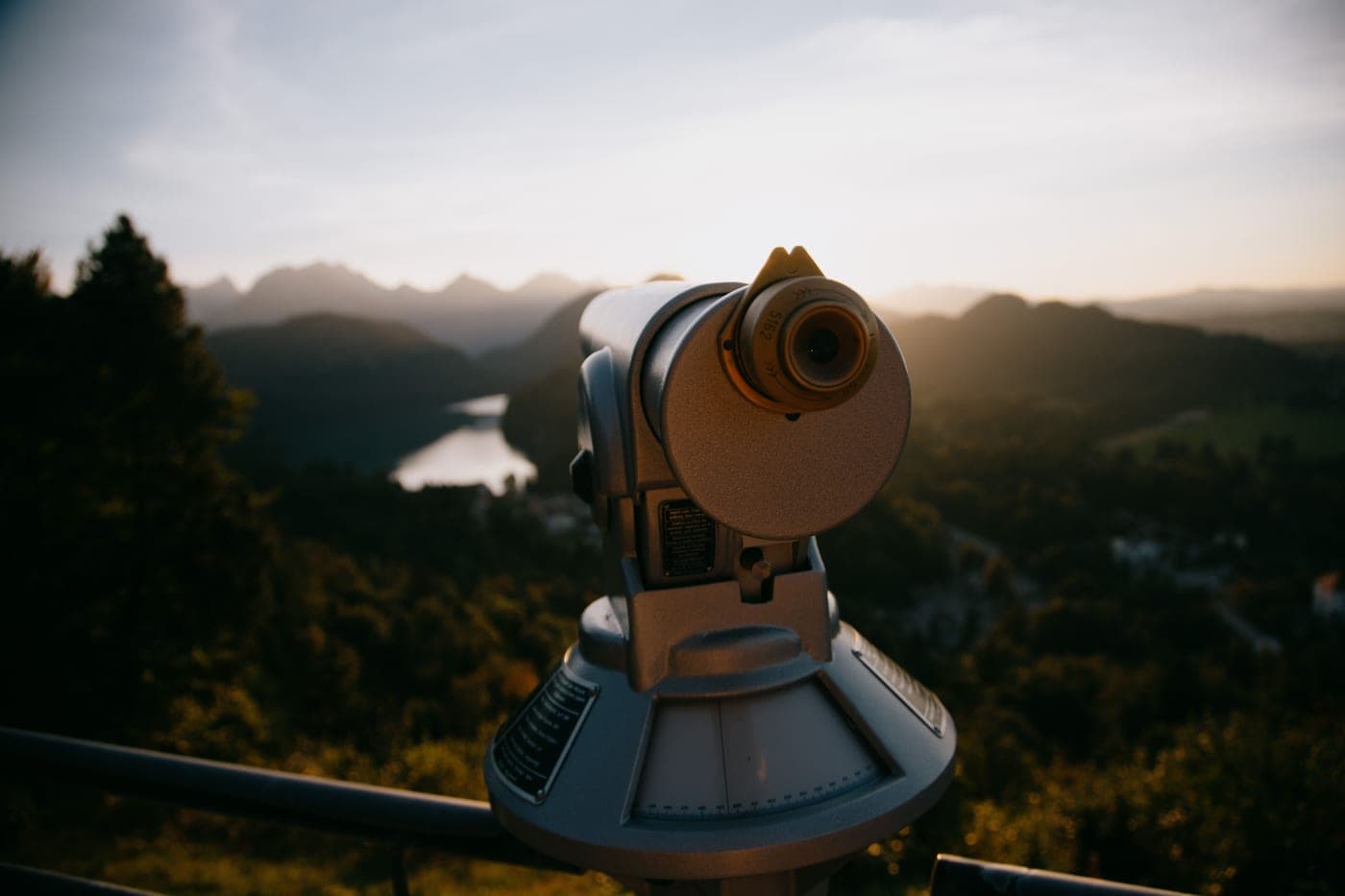
How to Use a Telescope: Your First Night, Step by Step
The first evening with a telescope, in the order things actually happen, with the daylight steps that decide it.
Top pick: Celestron Night Vision Red LED Flashlight
$20.95 · 19% off
#ad · how this is funded · price as of October 20, 2026
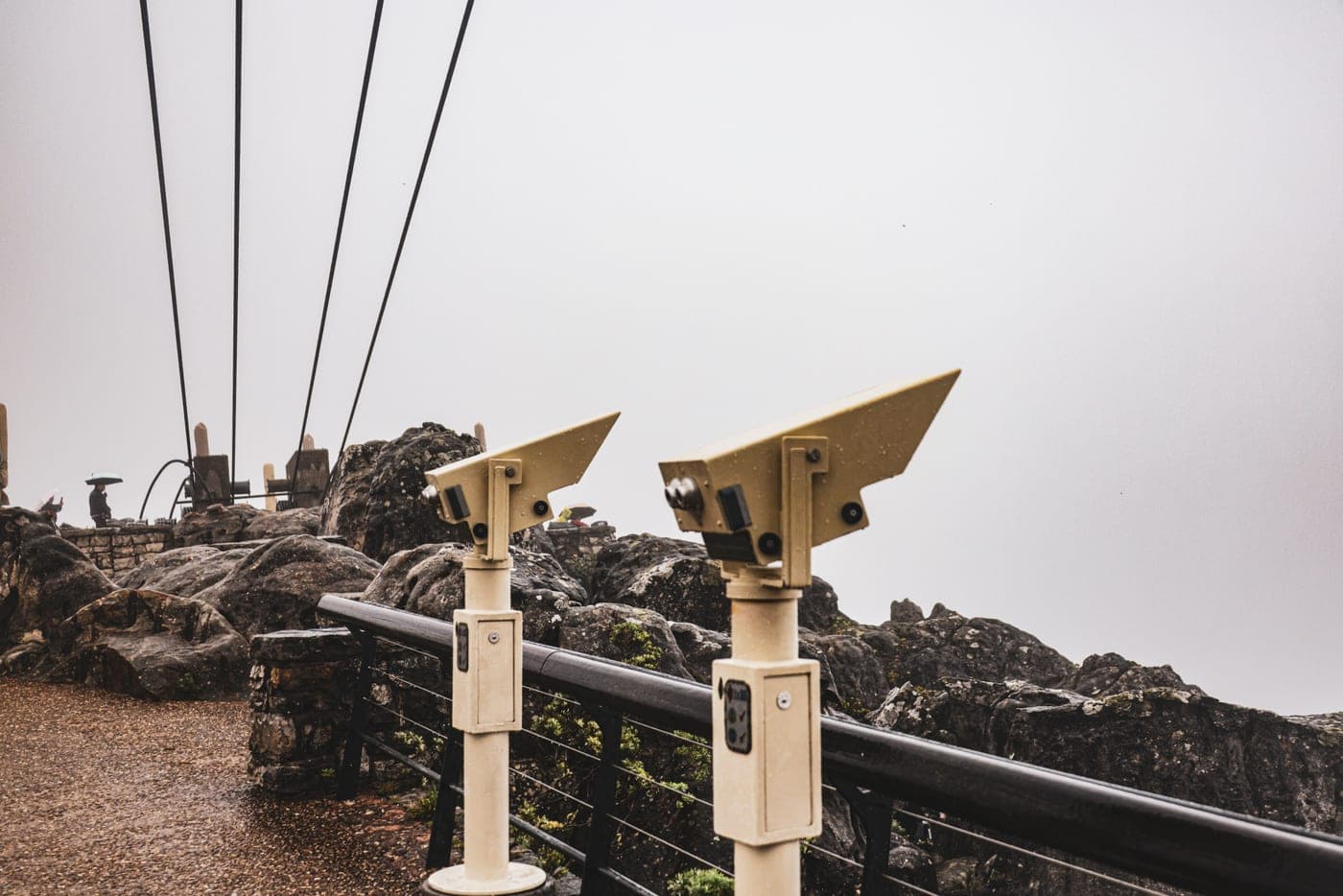
Telescope vs Spotting Scope: Which One Do You Actually Want?
A spotting scope caps at its zoom's top magnification; a telescope takes any eyepiece. The decision, with both makers' published numbers.
Top pick: Sky-Watcher Heritage 130 Tabletop Dobsonian
$305.00 · 12% off
#ad · how this is funded · price as of October 20, 2026
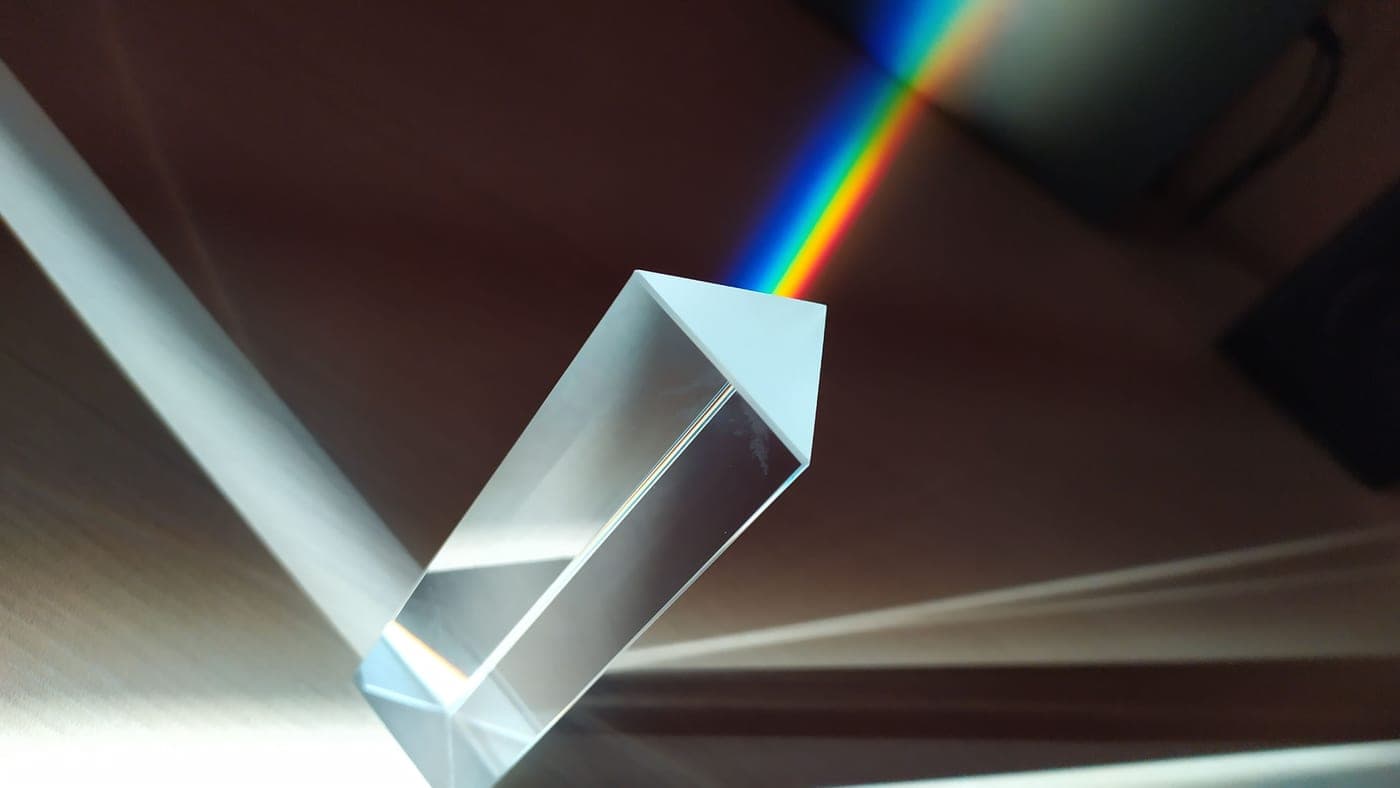
Why Is Your Telescope Image Upside Down?
Astronomical telescopes invert the image deliberately. Why that is the right design, and when to correct it.
Found something wrong here? Tell us and we will correct it and date the correction, per our editorial policy.