Reviews
Celestron AstroMaster LT 70AZ
70mm of refractor optics at f/10, weighing 7.2 pounds complete. It will show you Saturn's rings as a small sharp oval, and this page will not pretend otherwise.
By Scooter M. · Published · Last updated · How we pick
70mm is the floor of what is worth owning, and this telescope sits on it honestly. Celestron publishes a complete specification sheet for it, and nothing on this page requires an opinion about a view.
What 70mm allows
max useful magnification = 2 x aperture. Dawes limit = 116 / aperture.
70 x 2 = 140x. 116 / 70 = 1.66 arcseconds.
Celestron publishes 165x and 1.66 arcseconds. The resolution figures agree exactly. A box on the same shelf advertising 525x is describing an eyepiece swap, not an optical capability.
A 1.66-arcsecond resolving limit means the Cassini division, at roughly 0.7 arcseconds, is well out of reach. What is comfortably within reach: Saturn's rings as a separated ring, Jupiter's two main cloud belts and its four bright moons, the phases of Venus, and a lunar terminator that people remember for years.
Why f/10 is the right focal ratio here
The published focal length is 700mm at 70mm of aperture, which is f/10, a long focal ratio by beginner-telescope standards. That does two useful things.
- It is forgiving of cheap eyepieces. Simple eyepiece designs perform much better at f/10 than at f/5, so the bundled eyepieces show closer to their best.
- It reduces chromatic aberration. A simple two-element lens brings different colors to focus at slightly different points, and a longer focal ratio reduces the visible violet fringe on bright objects.
magnification = telescope focal length / eyepiece focal length
700 / 20 = 35x. 700 / 10 = 70x. 700 / 6 = 117x.
70x is roughly the magnification at which Saturn's ring separation becomes obvious, and it is available with an ordinary 10mm eyepiece. 117x from a 6mm sits just under the 140x ceiling. Which eyepieces to buy.
The maintenance case
This is the real argument for a refractor and it is a good one. The lens is fixed in its cell at the factory. There is no collimation, no mirror to clean, and essentially no cool-down: point it and use it.
For a household that will not enjoy adjusting anything, that is worth the aperture it costs. Refractor against reflector sets out the full trade with the arithmetic, and the 102mm AstroMaster is the same argument with twice the light.
Where it falls short
Celestron publishes 100 times the light-gathering of the human eye for this telescope. A 130mm reflector gives 345. That gap is the difference between the Orion Nebula as a gray smudge and the Orion Nebula as a shape with structure, and no eyepiece closes it.
The LT version also has no slow-motion controls, so tracking an object at 70x is done by hand on a simple alt-azimuth head. That is workable and it is less comfortable than a mount with fine adjusters.
No products on this page. The AstroMaster LT 70AZ is no longer available to buy from any listing this site links to, so there is no buy button here. The specifications below are Celestron's published figures and remain accurate for anyone who owns one.
Questions people actually ask
Is a 70mm telescope worth buying?
Yes, on a stable mount. 70mm is the floor at which a telescope beats binoculars, and it shows lunar craters, Saturn's rings, Jupiter's four bright moons and the phases of Venus. Below 70mm a good pair of astronomy binoculars is the better buy.
What magnification does the AstroMaster LT 70AZ support?
The useful ceiling is 140x from two times the 70mm aperture; Celestron publishes 165x. With the supplied 20mm and 10mm eyepieces on its 700mm focal length you get 35x and 70x.
Can you see Saturn's rings with a 70mm telescope?
Yes, as a clearly separated ring, at around 70x. What you cannot see is the Cassini division inside them, which spans roughly 0.7 arcseconds against this telescope's 1.66-arcsecond resolving limit.
What happened to the AstroMaster LT 70AZ?
It is no longer available to buy from any listing this site links to, and Celestron's store lists it out of stock, so it is no longer one of our picks. Our current pick in its place is the Celestron AstroMaster 70AZ, which is a different telescope: 900mm and f/13 rather than 700mm and f/10, and 10.8 lb rather than 7.2 lb. The AstroMaster 70AZ review covers it.
Does the AstroMaster LT 70AZ need any maintenance?
Essentially none. The lens is fixed in its cell at the factory, there is no collimation and no mirror to clean, and a refractor needs almost no cool-down time. That is the main argument for choosing one over a larger reflector.
Read next
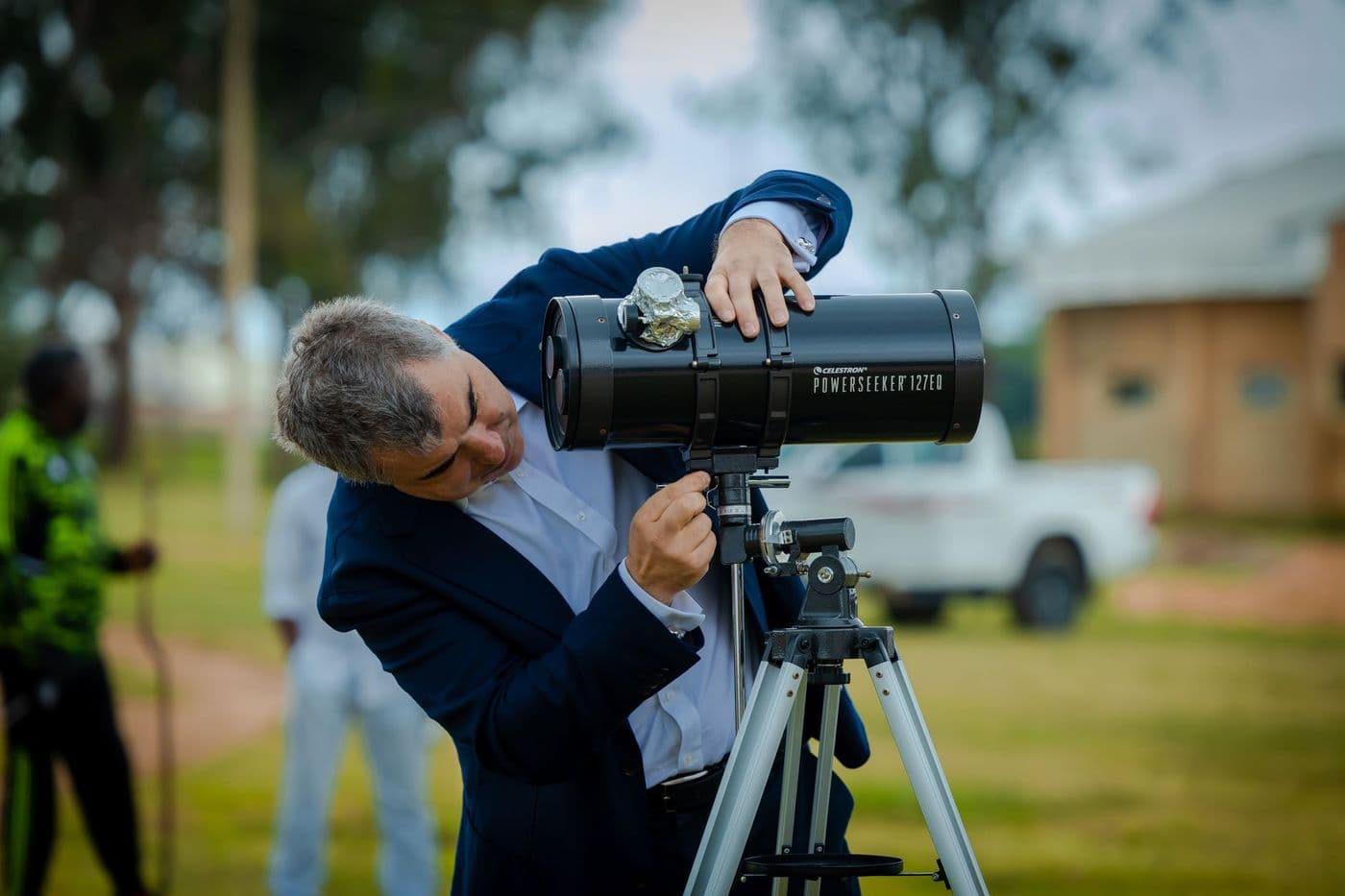
Celestron AstroMaster 70AZ
70mm at f/13 on a steel tripod: cleaner planetary views than a fast 70mm, paid for with a narrow field and a heavy package.
Top pick: Celestron AstroMaster 70AZ
$199.95 · 10% off
#ad · how this is funded · price as of October 18, 2026

Refractor vs Reflector: Which Should You Buy?
Aperture against maintenance, with the light-gathering arithmetic worked out and a stated verdict.
Top pick: Sky-Watcher Heritage 130 Tabletop Dobsonian
$305.00 · 12% off
#ad · how this is funded · price as of October 18, 2026
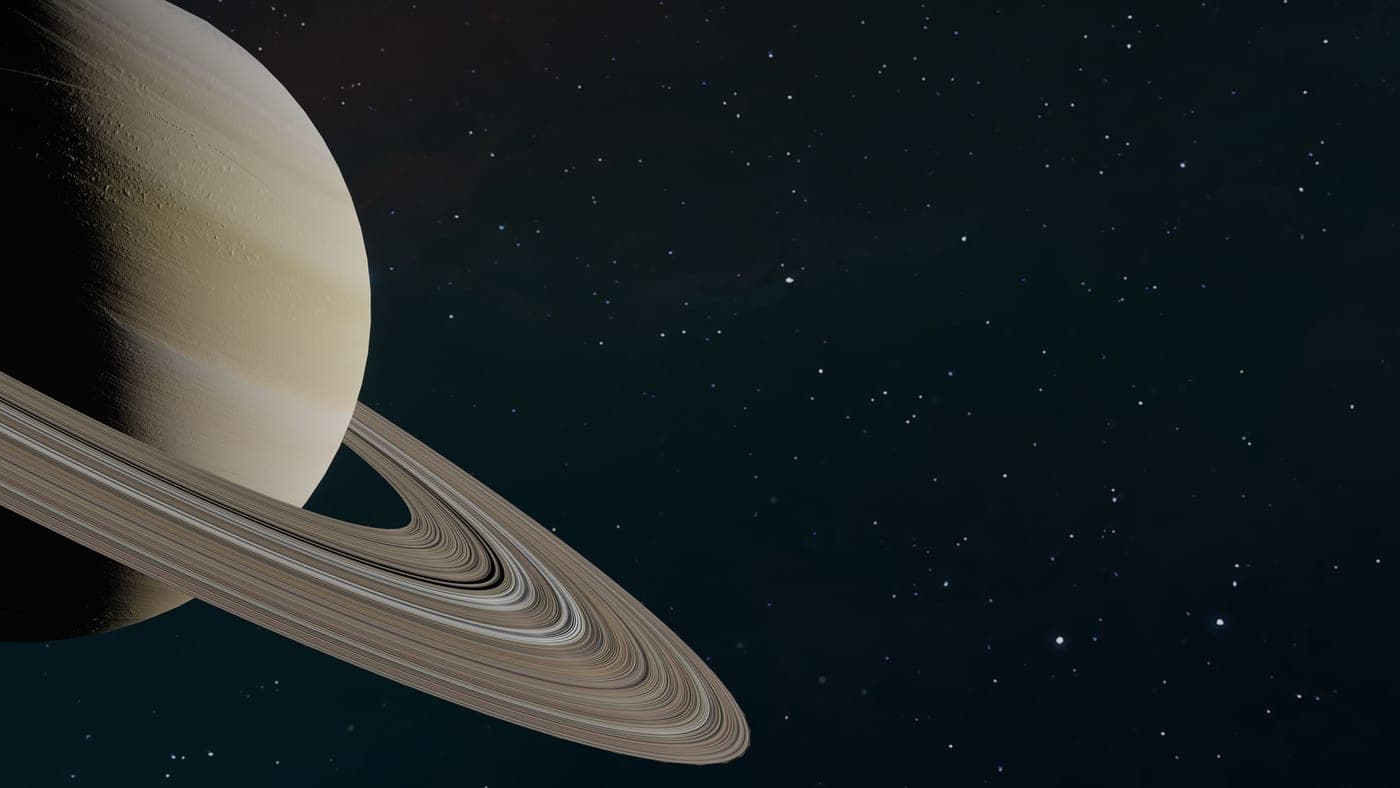
What Size Telescope Do You Need to See Saturn's Rings?
70mm shows the rings; 150mm shows the Cassini division. Both computed, with what the ring tilt is doing this season.
Top pick: Celestron AstroMaster 70AZ
$199.95 · 10% off
#ad · how this is funded · price as of October 18, 2026
Found something wrong here? Tell us and we will correct it and date the correction, per our editorial policy.